
Robert Baggio doesn't just dribble past defenders;he turns a football pitch into a personal stage. That 1990 World Cup goal against Czechoslovakia—slaloming through four players before slotting the ball past the keeper—wasn't a fluke. It was a statement: technique。balance, and audacity compressed into ten seconds. Watching it again, you notice how he never seems to sprint. He glides. The ball stays glued to his left foot as if on a string. Defenders lunge, he shifts weight, and suddenly there's space that didn't exist a heartbeat earlier. That's the Baggio signature: economy of motion married to explosive imagination.What often gets lost in the highlight reels is the fragility beneath the artistry. Baggio's career was a battle against his own body. Chronic knee problems required multiple surgeries, and there were seasons when he played through pain that would sideline most professionals. In 1994, he dragged Italy to the World Cup final almost single-handedly—five goals in the knockout stages—only to miss the decisive penalty against Brazil. That image of him standing motionless, head bowed, the ponytail drooping。
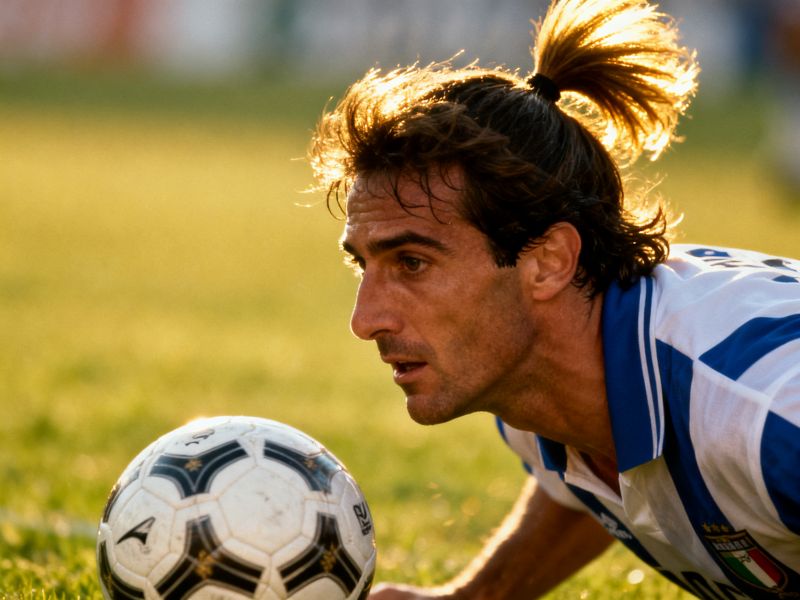
is as defining as any of his goals. It humanized him. Greatness, Baggio reminded us, doesn't immunize you from heartbreak.Club football told a more complicated story. He never won the Champions League. He played for Juventus, AC Milan, Inter, and Bologna—rivals, all of them—and often found himself at odds with managers who demanded defensive sacrifice over creative freedom. At Juventus, he clashed with Marcello Lippi. At Inter, injuries and tactical shifts limited his impact. Yet wherever Baggio went, fans adored him. Brescia, a modest Serie A side, became his final home, and he repaid their faith by keeping them in the top flight for four seasons. Those Brescia years weren't a swan song;they were a masterclass in adapting. He scored free-kicks with the same precision。threaded passes with the same vision. The body slowed, the mind didn't.Ask any Italian kid born in the 1990s about Baggio, and you'll get a mix of reverence and melancholy. He was the last of a breed—the fantasista, the No. 10 who operated on instinct rather than system. Modern football's pressing machines have little room for a player who walks for minutes and then produces a moment of magic. Baggio walked, and the magic came. His legacy isn't a trophy cabinet. It's a reminder that football, at its best, is an art form, not a spreadsheet. The ponytail is gone, but the highlight reel still flickers. And every time it does。you see a player who treated the ball like a companion, not a tool.